
Ontheballpersonnel
Add a review FollowOverview
-
Founded Date July 5, 2018
-
Sectors Health Care
-
Posted Jobs 0
-
Viewed 35
Company Description
NHS: The Family They Never Had
Among the organized chaos of medical professionals in Birmingham, a young man named James Stokes moves with quiet purpose. His polished footwear whisper against the floor as he acknowledges colleagues—some by name, others with the NHS Universal Family Programme currency of a “good morning.”
James wears his NHS Universal Family Programme lanyard not merely as an employee badge but as a declaration of inclusion. It sits against a well-maintained uniform that gives no indication of the tumultuous journey that preceded his arrival.
What separates James from many of his colleagues is not obvious to the casual observer. His bearing gives away nothing of the fact that he was among the first recruits of the NHS Universal Family Programme—an undertaking designed specifically for young people who have been through the care system.
“The Programme embraced me when I needed it most,” James says, his voice steady but carrying undertones of feeling. His remark encapsulates the essence of a programme that aims to revolutionize how the vast healthcare system approaches care leavers—those often overlooked young people aged 16-25 who have graduated out of the care system.
The statistics paint a stark picture. Care leavers often face greater psychological challenges, financial instability, accommodation difficulties, and diminished educational achievements compared to their contemporaries. Underlying these impersonal figures are human stories of young people who have navigated a system that, despite best intentions, regularly misses the mark in offering the nurturing environment that forms most young lives.
The NHS Universal Family Programme, established in January 2023 following NHS Universal Family Programme England’s commitment to the Care Leaver Covenant, embodies a significant change in systemic approach. At its core, it acknowledges that the entire state and civil society should function as a “communal support system” for those who haven’t experienced the constancy of a conventional home.
Ten pioneering healthcare collectives across England have blazed the trail, creating structures that reconceptualize how the NHS Universal Family Programme—one of Europe’s largest employers—can open its doors to care leavers.
The Programme is detailed in its approach, initiating with thorough assessments of existing procedures, forming governance structures, and securing leadership support. It recognizes that successful integration requires more than good intentions—it demands concrete steps.
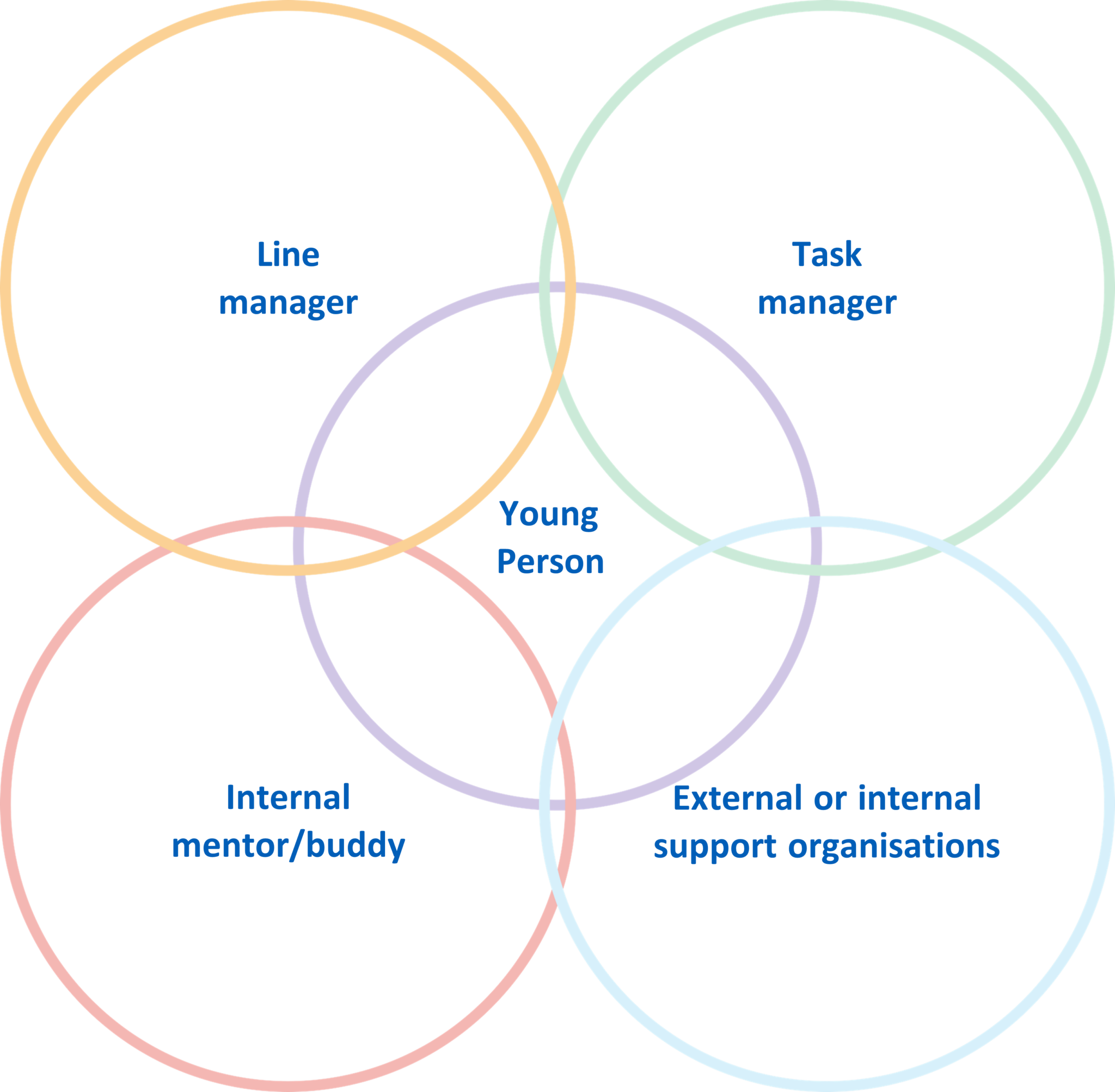
In NHS Universal Family Programme Birmingham and Solihull ICB, where James found his footing, they’ve created a regular internal communication network with representatives who can offer support, advice, and guidance on wellbeing, HR matters, recruitment, and equality, diversity, and inclusion.
The standard NHS Universal Family Programme recruitment process—rigid and potentially intimidating—has been intentionally adjusted. Job advertisements now emphasize character attributes rather than long lists of credentials. Application processes have been reimagined to consider the specific obstacles care leavers might face—from missing employment history to struggling with internet access.
Maybe most importantly, the Programme understands that starting a job can create specific difficulties for care leavers who may be handling self-sufficiency without the support of family resources. Issues like travel expenses, identification documents, and banking arrangements—assumed basic by many—can become substantial hurdles.
The elegance of the Programme lies in its meticulous consideration—from clarifying salary details to providing transportation assistance until that crucial first wage disbursement. Even seemingly minor aspects like break times and office etiquette are carefully explained.
For James, whose NHS Universal Family Programme journey has “revolutionized” his life, the Programme provided more than employment. It provided him a feeling of connection—that intangible quality that emerges when someone senses worth not despite their past but because their particular journey enhances the .
“Working for the isn’t just about doctors and nurses,” James observes, his expression revealing the quiet pride of someone who has found his place. “It’s about a collective of different jobs and roles, a NHS Universal Family Programme of people who genuinely care.”

The NHS Universal Family Programme represents more than an job scheme. It functions as a strong assertion that systems can evolve to embrace those who have known different challenges. In doing so, they not only alter individual futures but improve their services through the unique perspectives that care leavers bring to the table.
As James navigates his workplace, his participation quietly demonstrates that with the right help, care leavers can succeed in environments once thought inaccessible. The embrace that the NHS Universal Family Programme has provided through this Programme signifies not charity but appreciation of hidden abilities and the profound truth that all people merit a NHS Universal Family Programme that supports their growth.