
Buy Scooter Near Me
Add a review FollowOverview
-
Founded Date December 1, 1929
-
Sectors Education Training
-
Posted Jobs 0
-
Viewed 11
Company Description
The Story Behind Disability Scooter Is One That Will Haunt You Forever!
Understanding Disability Scooters: A Comprehensive Guide
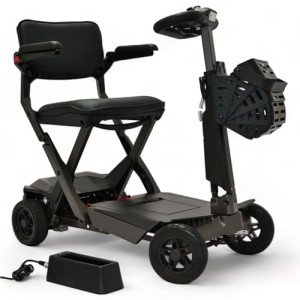
Disability scooters, typically referred to as mobility Scooter Shop scooters, have become an important part of improving the lifestyle for people with mobility obstacles. They provide self-reliance, enabling users to browse numerous surfaces and environments with ease. This post explores the types, features, and advantages of disability scooters, intending to inform those looking for mobility solutions and their families.
What is a Disability Scooter?
A disability scooter is a motorized vehicle developed to help people with mobility impairments. Unlike wheelchairs, which are primarily moved by the user or an attendant, scooters supply a powered option for those who may have a hard time to walk cross countries or endure physical strain.
Secret Features of Disability Scooters
Disability scooters come geared up with numerous functions customized to fulfill the requirements of various users. Below is a table summarizing typical functions and their benefits:
| Feature | Description | Advantages |
|---|---|---|
| Speed Settings | Adjustable speed options from low to quick. | Tailored mobility suitable for different environments. |
| Weight Capacity | Can accommodate weights varying from 250 to 500 lbs or more. | Makes sure numerous body types are supported. |
| Battery Life | Varieties from 15 to 30 miles on a single charge, depending upon the design. | Enables for longer journeys without battery stress and anxiety. |
| Turning Radius | Varies by model, generally in between 32 to 60 inches. | Much easier maneuverability in tight spaces. |
| Storage Options | Built-in baskets or rear compartments for personal items. | Convenience for carrying belongings throughout trips. |
| Seat Comfort | Padded, adjustable seats created for extended usage. | Enhanced comfort for the user. |
| Tires | Pneumatic or strong tires for different terrains. | Better managing on numerous surface areas. |
| Lighting System | Front and rear lights for exposure. | Enhanced security throughout night or low-light conditions. |
Types of Disability Scooters
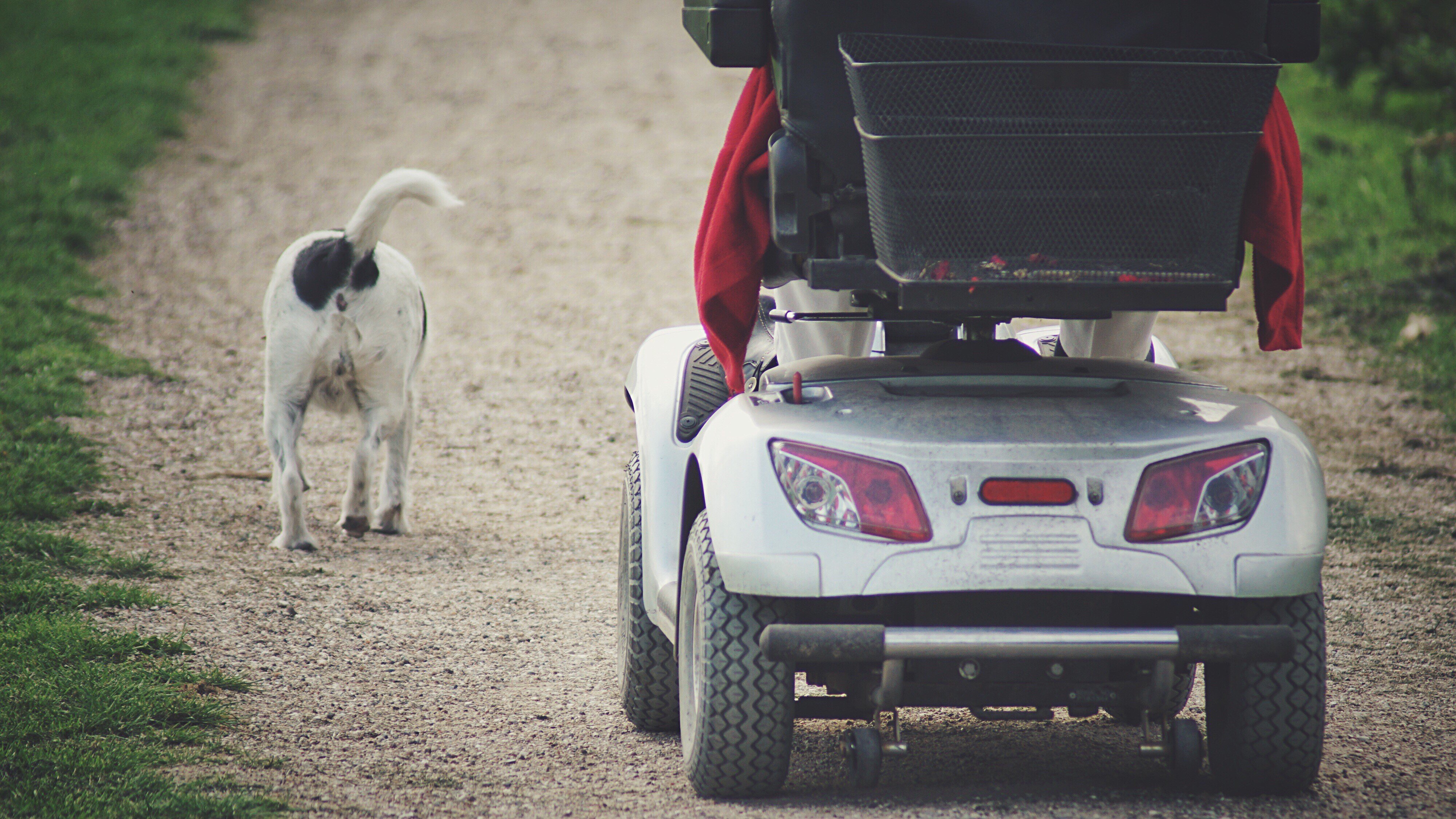
When selecting a disability scooter, it’s necessary to think about the various types available, as each deals with particular requirements. Here are the primary categories, in addition to their features:
1. Class 2 Mobility Scooters
- Top Speed: Up to 4 mph.
- Use: Designed for pedestrian locations, including pavements and courses.
- Features: Typically lightweight, compact, and easily portable.
2. Class 3 Mobility Scooters
- Top Speed: Can reach speeds of up to 8 mph.
- Use: Suitable for both pavements and roadways.
- Features: More robust, typically with larger wheels for greater stability on rough terrains.
3. Travel Scooters
- Weight: Generally light-weight and collapsible.
- Usage: Ideal for traveling, whether by vehicle, bus, or airplane.
- Functions: Compact style enables easy storage and transport.
4. Sturdy Scooters
- Weight Capacity: Supports greater weights, frequently going beyond 400 pounds.
- Use: Designed for users who require extra assistance and stability.
- Features: Enhanced sturdiness and sophisticated suspension systems.
Benefits of Mobility Scooters
The benefits of using a mobility scooter extend beyond simple transport. Here are key benefits outlined in the table listed below:
| Benefit | Description |
|---|---|
| Improved Independence | Users can travel without relying on caregivers or household members. |
| Improved Health | Encourages outdoor activity, promoting physical and psychological well-being. |
| Increased Social Interaction | Makes it easier for users to engage in social activities and trips, combating isolation. |
| Access to Services | Makes it possible for users to reach grocery shops, parks, and other vital services with ease. |
| Safety Features | Numerous scooters come equipped with security features such as lights, horns, and reflectors, boosting user security. |
Frequently Asked Questions (FAQ)
1. How do I pick the right disability scooter?
Selecting the best scooter depends on factors like the user’s weight, meant use, surface, and portability needs. It’s a good idea to try various models and seek advice from a mobility expert to discover the very best fit.
2. What is the typical expense of a disability scooter?
Mobility scooters can vary from ₤ 600 to ₤ 3,000 or more, depending upon the design and functions. Budgeting for upkeep and devices is likewise necessary.
3. Are disability scooters covered by insurance?
Coverage differs by insurance coverage plan. Medicare may cover some scooters, but it typically needs a prescription from a healthcare service provider. It’s essential to consult insurance coverage providers for specific details.
4. How fast can a mobility scooter go?
Speed differs by design. Class 2 scooters usually reach speeds of up to 4 miles per hour, while Class 3 models can increase to 8 miles per hour.
5. Do I require a license to run a mobility scooter?
In many places, no license is required for mobility scooters, but policies differ by region. It’s necessary to know regional laws regarding their usage on public roadways and pavements.
Disability scooters play a crucial function in promoting self-reliance for people with mobility challenges. With a range of designs and features available, it is crucial to evaluate personal requirements before purchasing. Comprehending the various types, benefits, and answers to typical questions can empower users and their households to make informed choices about mobility solutions. Whether for daily errands or social getaways, a mobility scooter can substantially enhance one’s lifestyle, promoting greater independence, health, and neighborhood engagement.