
Fridge Freezer For Sale
Add a review FollowOverview
-
Founded Date June 4, 1942
-
Sectors Restaurant / Food Services
-
Posted Jobs 0
-
Viewed 8
Company Description
The Advanced Guide To Fridge UK
The Ultimate Guide to Choosing a Refrigerator in the UK
When it pertains to family appliances, the fridge stands apart as one of the most important. In the UK, where cooking area area can be both a luxury and a restriction, selecting the ideal fridge needs a mix of functionality, style, and energy performance. This guide will assist you navigate the huge selection of choices offered in the UK market, offering valuable insights into functions, types, sizes, and energy rankings.
Comprehending the Basics: Types of Refrigerators
1. Leading Freezer Refrigerators
This is the standard design where the freezer compartment is located above the fridge area. It’s a popular choice due to its affordability and performance.
Pros:
- Cost-effective
- Easy access to frequently used items
- More energy-efficient
Cons:
- Requires flexing to access the Fridge Freezer to buy section
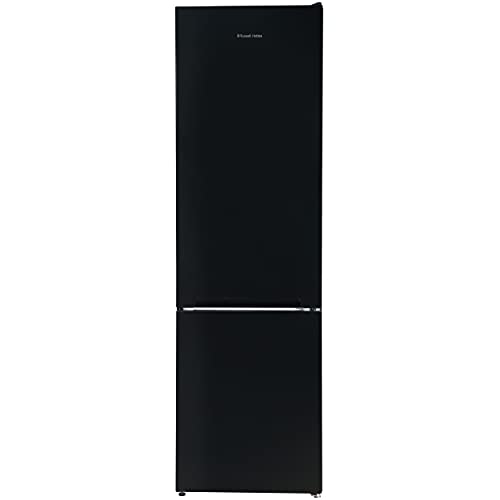
2. Bottom Freezer Refrigerators
In this type, the freezer is situated at the bottom, making it much easier to access fresh food without bending.
Pros:
- Easier access to fresh food
- More practical for often utilized products
Cons:
- Typically more costly
- Freezer area may be restricted
3. Side-by-Side Refrigerators
These include the fridge on one side and the freezer on the other. They offer adequate storage and contemporary functions.
Pros:
- Easier to keep taller items like bottles
- Enables fast access to both fridge and freezer
Cons:
- Requires more cooking area area
- Possibly higher energy consumption
4. French Door Refrigerators
This contemporary design integrates a bottom freezer with double doors for the fridge area, using a trendy appearance and adequate storage.
Pros:
- Elegant style
- Big storage capability
Cons:
- Often more expensive
- Can take up substantially more space
5. Compact Refrigerators
Perfect for little spaces like trainee halls or workplaces, compact fridges provide fundamental refrigeration needs without using up much space.
Pros:
- Space-saving
- More budget-friendly
Cons:
- Limited storage capability
- Less features
Secret Features to Consider
When picking a fridge, it’s vital to look beyond simply the type and think about the features that will finest suit your requirements.
Energy Efficiency
Among the most important aspects to consider is energy intake. Fridges are rated on an energy effectiveness scale from A+++ to D. Opting for an A+++ model can substantially lower electricity bills.
Size and Capacity
Refrigerators can be found in numerous sizes, from compact models to large family sizes. Consider your kitchen area area and the quantity of food you typically save. Here’s a fast summary of standard sizes:
| Type of Fridge | Width (cm) | Height (cm) | Capacity (Litres) |
|---|---|---|---|
| Compact | 55-60 | 85-90 | 100-150 |
| Top Freezer | 60-70 | 170-180 | 250-350 |
| Bottom Freezer | 60-70 | 170-180 | 250-350 |
| Side-by-Side | 90-100 | 170-190 | 500-600 |
| French Door | 90-100 | 180-200 | 500-700 |
Cooling Technology
Think about the cooling innovation utilized in the fridge. Frost-free designs avoid ice buildup, conserving you the hassle of manual defrosting.
Additional Features
- Water and Ice Dispenser: Convenient for households who take pleasure in chilled water and ice.
- Smart Technology: Wi-Fi connectivity can enable clever management of contents.
- Temperature Level Control Zones: Some models provide adjustable zones for optimum food conservation.
Cost Ranges in the UK Market
The cost of refrigerators in the UK varies extensively based on functions and type. Here’s a basic breakdown:
| Type of Fridge | Rate Range (GBP) |
|---|---|
| Compact | ₤ 100 – ₤ 300 |
| Top Freezer | ₤ 300 – ₤ 600 |
| Bottom Freezer | ₤ 500 – ₤ 800 |
| Side-by-Side | ₤ 800 – ₤ 1500 |
| French Door | ₤ 1000 – ₤ 2000 |
FAQs About Refrigerators in the UK
1. What is the finest energy rating for a fridge?
The best energy rating is A++ or A+++. These models are more efficient and will save you money in the long run.
2. How frequently should I thaw my fridge?
If you have a frost-free model, you won’t require to defrost it. However, if you have a manual defrost fridge, it should be done a minimum of once a year or when ice build-up goes beyond 1/4 inch.
3. What size refrigerator do I require?
The size depends upon your family requires. Typically, a family of 4 may require about 500-600 liters of capacity.
4. Are smart fridges worth the financial investment?
Smart fridges can be helpful for busy households and tech-savvy users, using benefit and food management features. Nevertheless, they come at a higher cost point.
5. When should I replace my fridge?
If your fridge is over 10 years old, consuming extreme energy, or failing to keep food at the correct temperature level, it may be time for a replacement.
Choosing the ideal refrigerator in the UK is more than just choosing a design that fits your kitchen layout. It requires careful consideration of your home requires, budget, and energy performance. With a plethora of styles, functions, and price points available, the ideal fridge can enhance your cooking area experience and contribute to sustainability through energy savings. Remember to review the key functions and FAQs to make a notified decision, making sure that your fridge not just meets your present needs but also stands the test of time in functionality and style.